 |
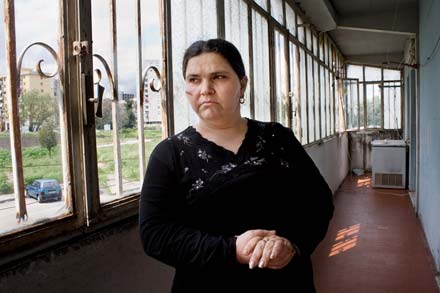
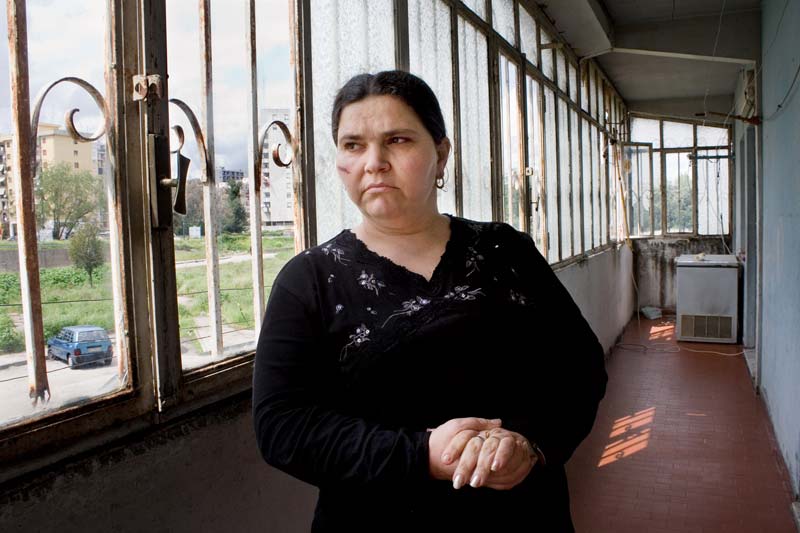
| Norma Rossetti / Scampia Periferia nord, Naples |
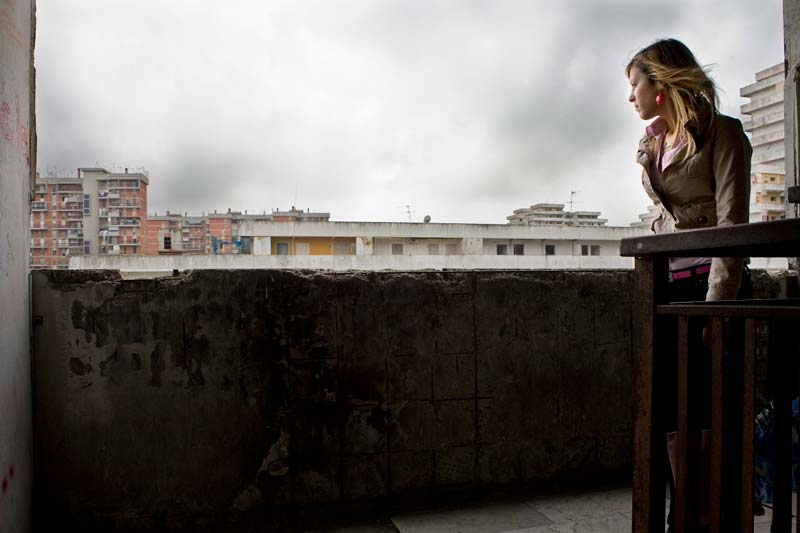
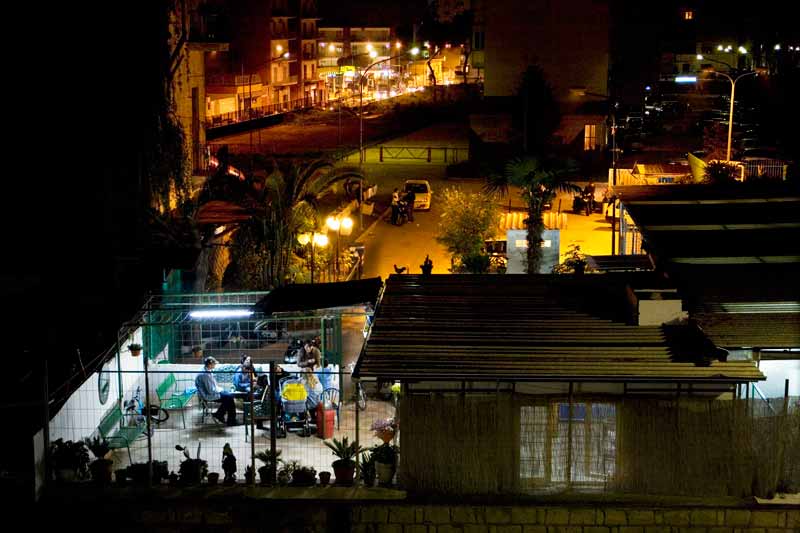
About 80,000 inhabitants lives here from post-earthquake emergency, in the so called zones 167, in addition to the occupants of balconies and basements that reach the thousands of units.
On paper, the projects of these areas were extremely interesting, if not revolutionary, structures typical of functionalism aimed to foster inhabitants integration. A city model. But something has not gone according to plans.
Scampia, ‘cause to degradation and organized crime, became the first drugs market of Europe.
The lack of an active role of residents helps to consolidate the belief that they cannot choose, they must resign to suffer passively decisions of the totalitarian institutions such as Camorra and administrations themselves which, in fact, don’t have permanently assigned new homes to the families of the earthquake as promised by ‘80. One possible think is that institutions, above all, wanted to create a ghetto-neighborhood in order to concentrate drug-shop.
But despite it is a chatted district, photography had still the opportunity to talk about it with different eyes, without any injury, through a genuine sociological investigation.
So Scampia represented a challenge because it is considered hard and impenetrable, and yet told with the superficiality of the clichés that have been attributed by the press and the media.
The key was to face this district with the curiosity of a person, not the attitude of a photographer or a journalist.
The biggest breakthrough, however was the confidence of the people who have given me the opportunity to spend time with them, although I could not move freely to the districts if not accompanied.
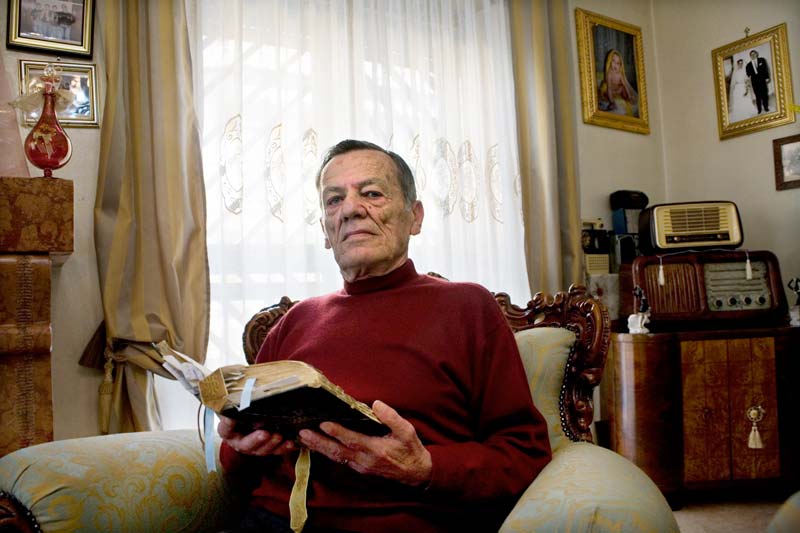
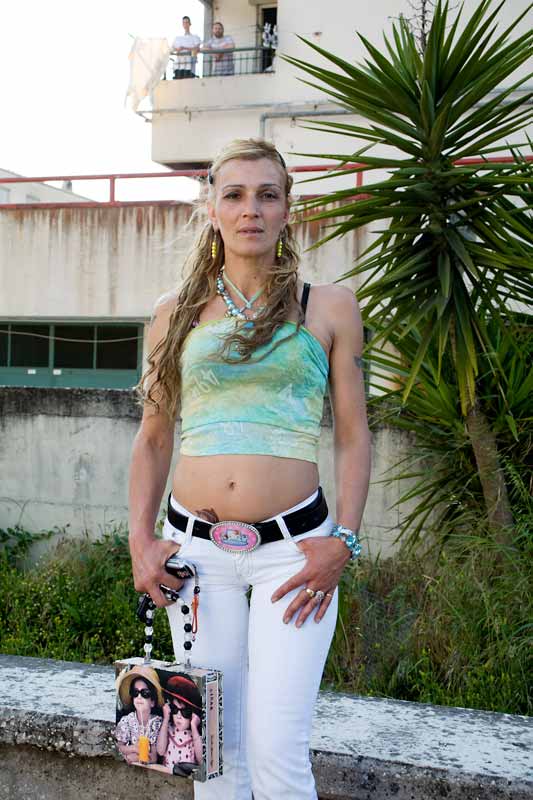
The result was the discovery of a place not different from other suburbs but rich of peculiarities in its contradictions. A substrate where dilapidated buildings and "sgarrubbate" houses alternate interior luxury, where in houses with mouldy walls is not uncommon to find big tv and Baroque furniture, where even if people push drugs and kill off the religiosity remains a very strong value.
Every morning, I returned to Scampia, sometimes only for 1 photo, often for nothing but just to talk with people.
In this way I can focus my research on set portraits, which could restore the dignity that the media did remove, leaving the space to that place of being told not through the news but throughout sociological research that stems from relationship between places, people and ways of life.
|
|
|
| |
Norma Rossetti
Norma Rossetti (born in Castellammare di Stabia, Na in 1984) graduated at the art institute of Sorrento in printing techniques.
During the years of study in which she approaches the lithography, woodcut and the serigraphy born her passion for photography through self portrait.
With the family then moved to Tuscany and attended the three-year photography course at the Fondazione Studio Marangoni, during which develops a photographic language that is closer to reportage and portrait set, designed primarily to investigate the sociological aspect.
She has participated in numerous workshops of international photographer and artist, among them Martin Breindl, Paolo Woods, Giorgio Barrera, Mathiew Bernard Raymond and Jay Wolke.
She has exhibited at the Museum of Science in Florence, the Italian Cultural Institute in Paris, Fondazione S. Agostino di Modena, FSM Gallery in Florence, Officina Giovani di Prato and during Its Seven Award in Trieste. In 2007/2008 she publics on "Le Monde" in France, on "Aftenposten in Norway, receives an honorable mention by Fabrica for premium FF under 25 and won the TPW at Savignano festival and the first prize as best author Portfolio for Italy in 2008.
|
|



 Click on thumbnails